
Whoa! I grabbed a Tangem card the first time out of curiosity. It felt like a credit card, but heavier. My instinct said this was elegant and simple—no tiny displays, no cables, nothing to charge. Initially I thought hardware wallets had to be bulky to be secure, but then I realized that cryptography and secure elements don’t need flashy cases; they need good design and careful UX. Here’s the thing: a card wallet flips some assumptions about custody, and that shift matters in ways that are obvious and subtle.
Seriously? Yeah. The first impression is shock—”is my private key really on a little NFC card?”—and then that shock gives way to practical follow-through. I tested it in pockets, in my wallet, and against a busy airport checkpoint. The card survived. On the surface Tangem is just a sealed secure element embedded in a card. Underneath, though, it’s a careful trade-off between convenience and a minimalist attack surface, which is why many folks in crypto are paying attention.
Okay, so check this out—Tangem cards are meant to be used by tapping them to an NFC-enabled phone to sign transactions. The flow is short. Tap. Confirm on phone. Tap again. But the cryptographic signing happens on the chip, never exposing keys to the phone. My gut said that was smart, but I dug deeper. On one hand the closed hardware model restricts tinkering, though actually that restriction is a feature for many users who want a set-and-forget approach. On the other hand, advanced users might miss full open-source stacks and extensive customizability.
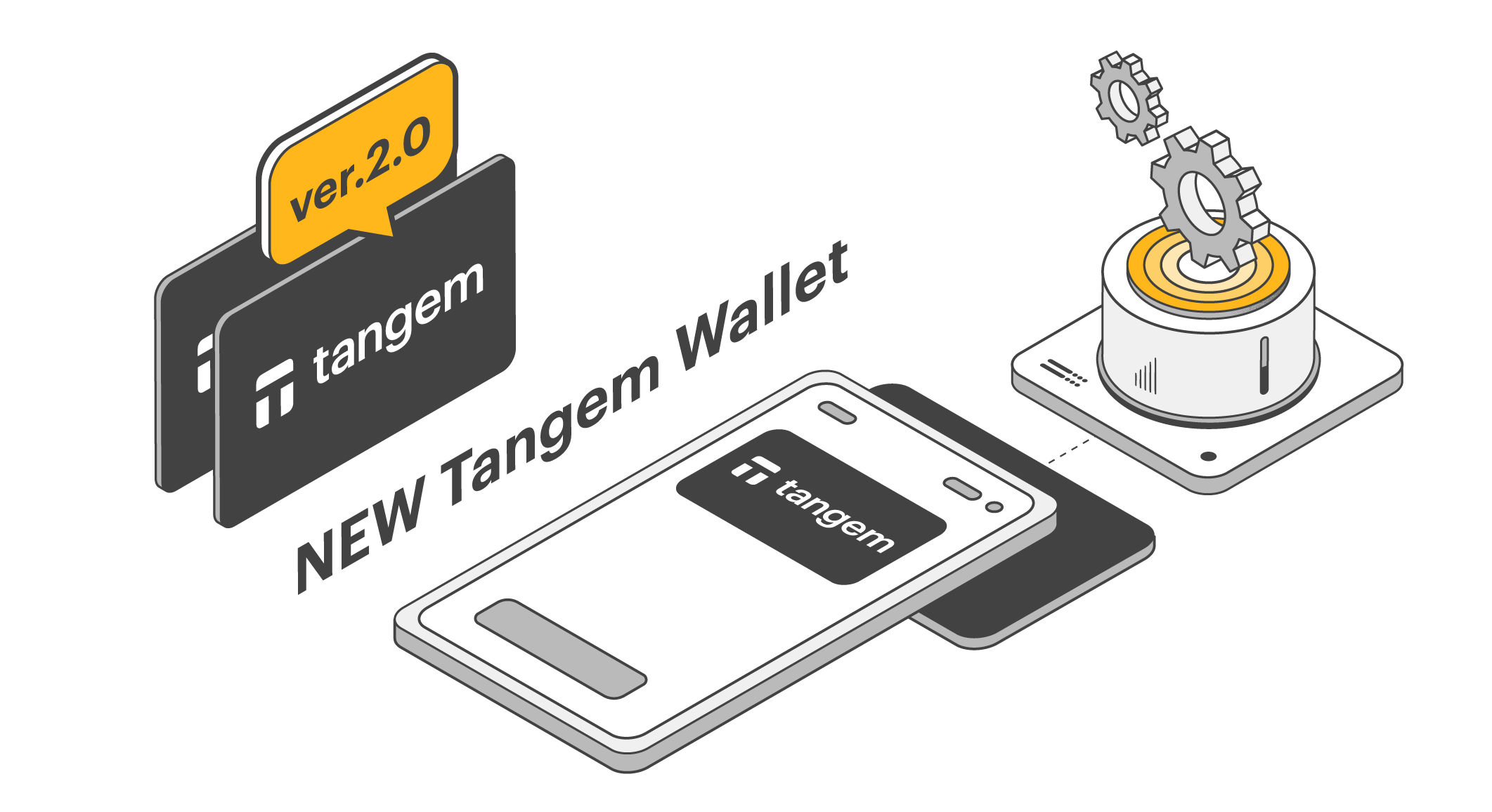
Why a Card Wallet Works (and Where it Doesn’t)
Short answer: portability and low friction. Long answer: it reduces attack vectors while fitting a lifestyle that is already card-centric. Most Americans keep cards in a few places: wallets, pockets, desks. Tangem taps into that behavior rather than forcing a new habit. Hmm… that small behavioral nudge matters a lot when adoption is the goal. My experience showed fewer “I forgot to bring it” moments compared to dongles or phones that need charging.
Security-wise, the Tangem card stores a private key inside a secure element that performs signatures upon NFC commands. The phone acts as a dumb relay and UI. That separation is very very important because it means malware on a phone can’t directly extract your private key. Initially I thought the lack of a screen or PIN on some variants would be a huge downside, but then realized Tangem’s model uses single-use wallets, issuer-backed controls, or optional PINs depending on product lines. So it’s nuanced. On the whole, if you value simplicity and physical custody, the card model is robust.
But there are legitimate trade-offs. For example, recovery workflows vary and can make advanced setups clunky. Tangem’s approach often favors disposable cards or multi-card backup strategies over a single 24-word seed phrase used by many other hardware wallets. That bothered me at first—somethin’ about not having that familiar seed felt odd—but after testing multiple recovery methods I began to appreciate the different risk model. Still, it’s not for everyone.
Here’s a practical note: unlike some metal-cased devices, the Tangem card won’t trigger “no metal” air travel rules, and it slips in your wallet with ease. It also scales nicely for gifting or corporate distribution (oh, and by the way, that’s why some NFT projects ship Tangem cards as collector items). The UX for onboarding a nontechnical person is smoother than I expected, and you can see that payoff in real-world use.
Real Use Cases — When a Card Makes Sense
Personal stash for everyday holdings. Tap to pay, tap to sign small transfers. Works well. Small, frequent transactions are where the card shines. It’s ideal for hobbyists and people who hold a modest amount of crypto and want custody without fuss. My sister uses one as her “spending” wallet and kept her long-term cold storage elsewhere.
Gifting and events. You can preload a card and hand it over as a present—no seed phrases to recite at awkward family dinners. Businesses and DAOs can issue cards to employees or members for curated access or testnets. There are nuances (activation and issuer policies), but it’s a neat practical route that other hardware wallets don’t naturally support.
Emergency backups. Instead of a paper seed, some users carry a backup Tangem card in a safe deposit box or with a trusted friend. That method reduces the risk of accidental online exposure. On the flip side, physical duplication attacks are a consideration, so plan redundancy carefully and understand the card’s anti-cloning guarantees; the manufacturer’s documentation goes into those technical proofs.
Setup and Day-to-Day: What to Expect
Tapping is the core interaction. The app guides you, and you rarely need a manual. Most days it’s seamless. There are moments though—like firmware updates or app handoffs—where clarity matters. Oh, and the phone’s NFC must be enabled; forget that and you’re stuck for a minute. Small friction, but note it.
I recommend checking the exact Tangem model you buy. Some cards include a PIN option. Some are single-use. Some are multi-asset. Read the label. Seriously. When I mixed models in testing I found small differences that caused confusion. Initially I thought one Tangem type behaved like another, but then realized each has slightly different expectations for backup and multiparty workflows.
Also: treat the card like cash. If you lose it, treat your recovery strategy like you would a lost checkbook. Tangem’s documentation, and practical guides, are helpful, but no one else can magically undo a lost private key. I’m biased towards layered security—use a Tangem for convenience, and a hardware-so device or cold storage for long-term holdings if you have substantial assets.
How Tangem Compares to Other Hardware Wallets
Short comparison: it’s simpler, less flexible, and more lifestyle-friendly. Longer comparison: many traditional hardware wallets (like the big-name dongles) provide screens for transaction details, multiple app ecosystems, and open-source firmware options. Tangem sacrifices some of that flexibility to remove user friction and physical bulk. There’s a trade-off between auditability and user experience, and Tangem sits on the UX side.
For advanced users who regularly interact with complex DeFi, multi-sig setups, or need broad wallet interoperability, a conventional hardware wallet or a dedicated multi-sig appliance may remain preferable. Though, confusion alert: Tangem can plug into multi-sig schemes in certain setups, but it requires careful planning and sometimes extra software. It’s possible, but not always plug-and-play.
People ask about cost. Cards are competitively priced and easier to distribute at scale, making them a good choice for community-driven projects. They also lower the barrier for mainstream users who are put off by hardware dongles or seed phrases. That’s part of why I’ve seen Tangem in promotional drops and partnerships—it’s approachable and tangible.
Check this out—if you want a focused resource about card wallets and Tangem specifics, visit https://sites.google.com/cryptowalletextensionus.com/tangem-wallet/ for a clear starting point. The site lays out product variants and common workflows in plain language, which is convenient when you’re deciding which card is right for your needs.
Frequently Asked Questions
Is the private key ever exposed to my phone?
No. The secret material stays inside the card’s secure element. The phone only sends transaction data to be signed and receives signed transactions back. That separation is central to the Tangem security model.
What if I lose the card?
Depends on your setup. If you used a single non-backed card with no backup, recovery is impossible. If you used multiple cards, or a backup method, you can restore access. Plan backups ahead of time; don’t improvise. I’m not 100% sure all users follow this, and that bugs me, but it’s true—backup planning matters.
Can I use Tangem for DeFi?
Yes, in many cases. You can sign DeFi transactions by combining the card with compatible wallets and apps. However, complex interactions or contract approvals may require extra steps and vigilance about gas and UI prompts. On one hand it’s doable; on the other hand expect occasional friction depending on the app ecosystem.
I’ll be honest: I still keep three systems. The Tangem card for day-to-day and gifting. A seed-based hardware device for larger, long-term holdings. And an offline steel backup for redundancy. This setup is a bit overkill for most, though it reflects how I evaluate risk in layers. Something about redundancy feels right—call it paranoia, call it prudence—either way it’s worked for me.
Final thought—well, not final-final, but close: Tangem and card NFC wallets broaden the spectrum of custody options. They make crypto feel less like an inflexible technical nightmare and more like a practical tool you can live with. There are trade-offs, and you should pick the tool that matches your risk model and daily habits. If you’re curious and want a low-friction entry into hardware custody, the card route is worth trying. It might change how you think about carrying value—or it might just be a cool novelty. Either outcome tells you something.